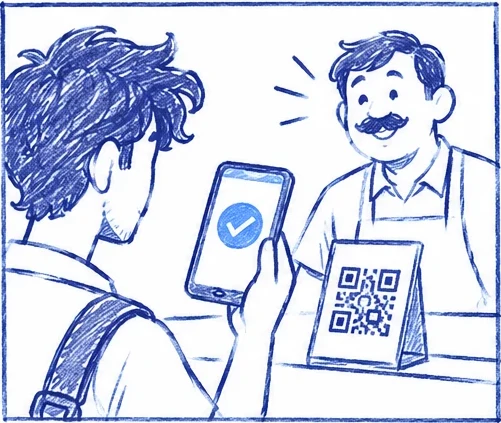

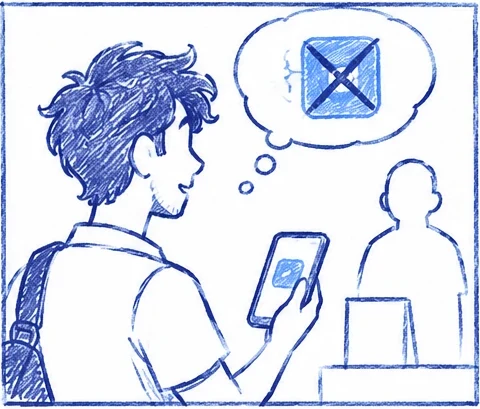
What if the reward after a UPI payment was one users chose, and every payment moved them closer to it? A concept for Paytm (or any UPI app) to turn scratch cards into something worth coming back for.
Not affiliated with Paytm.





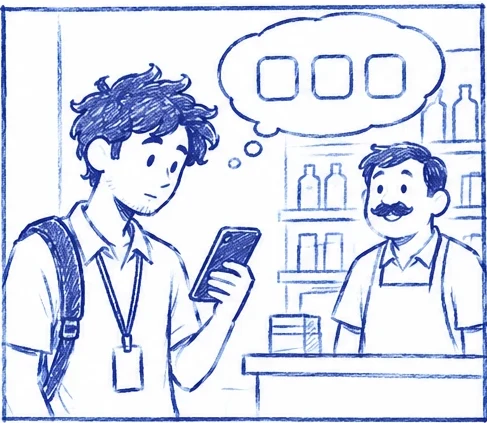
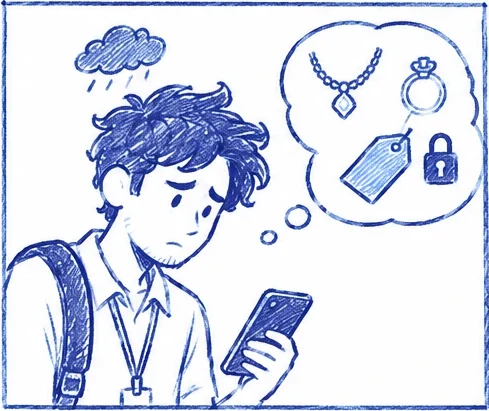
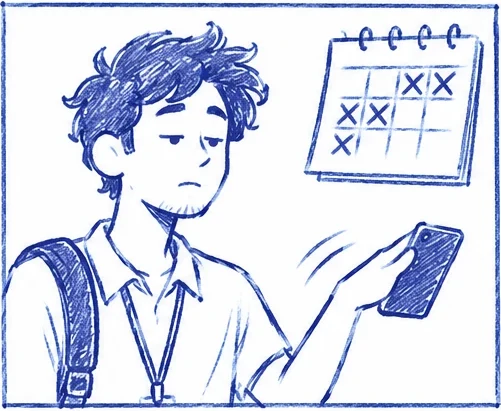
Most UPI apps work the same way, so rewards are one of the few ways to stand out. Paytm gives a scratch card after some eligible payments, but the reward is random and often irrelevant. After enough misses, people stop opening the cards.

On a minimum order of ₹3,999. Use this code at checkout on the brand's site.
Bring users back to make their next payment with Paytm UPI, and build a lasting preference for the app.
Users get rewards they can't use, with no say in what they receive. So they have little reason to open the next card, or to choose Paytm next time.
After an eligible payment, users pick a reward that's ready to claim.
Once they understand the experience, they can work towards a chosen reward over multiple payments.
Test category choice and variation in progress, not a random reward.

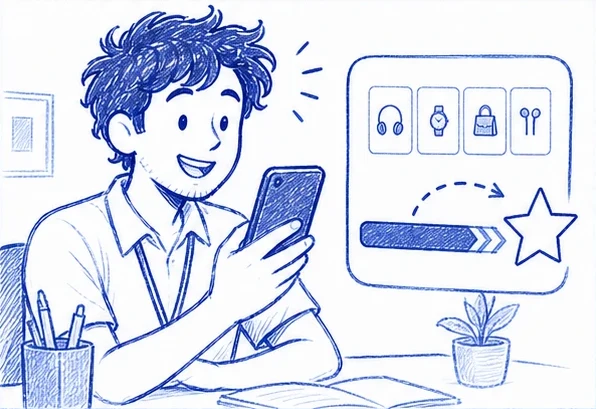
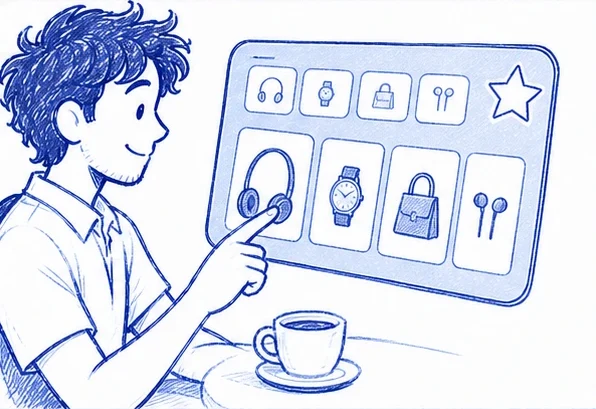
I'd earn the right to add complexity. First, make the reward clear and let people choose it. If a controlled test shows a clear, repeatable improvement in repeat payments and D7/D14 retention, I'd test visible progress. Only after that would I explore categories.
Onboarding is the early period of use, not one payment. Users get time to understand the simple version first.
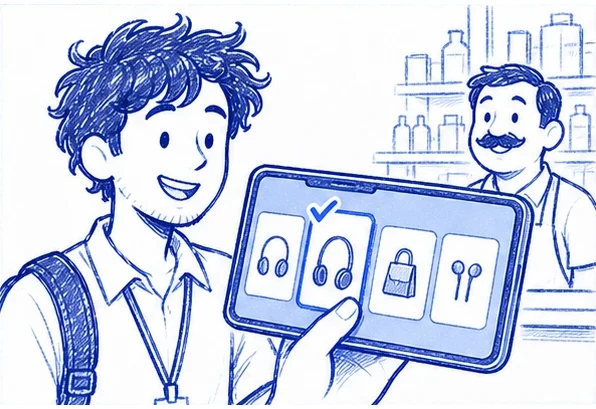
One eligible payment, choose a card, and the reward they chose is unlocked and ready to claim.
Choose one card. The one you pick is yours.
Choose one card. The one you pick is yours.
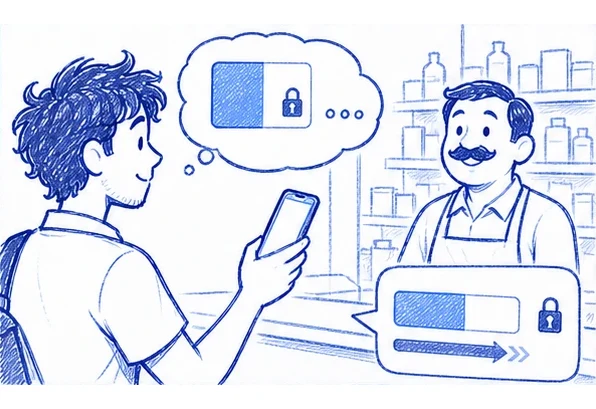
Choose a new reward. The first payment starts progress; the next one completes it. The two-payment split is an example.
It's half unlocked already. One more payment completes it.
Choose categories, then see each payment move the goal by a different amount. The reward is never random; only the progress varies.
Your next rewards come from these. You still pick the exact one.
Each payment adds a different amount of progress. Bills and recharges add more.
A reward he picked feels relevant, so he comes back for it.
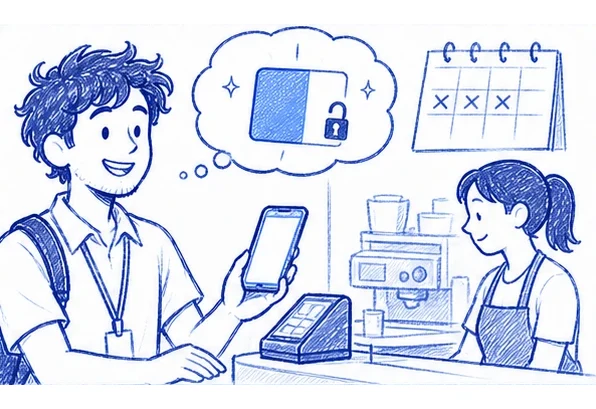
“1 of 2 payments” shows the goal is underway.
Reminder, payment, progress, then a new goal.
The reminder should prompt, not pressure. The payment should be one the user already intends to make. That's the loop I'd want to test.
Early on, the chosen reward is available after one eligible payment, so users trust that their choice is real. Later, progress arrives as a new, clearly explained reward journey, not as an earned reward made harder to get.
Choose, then Build, then Play. Each stage adds one new idea, so users get comfortable with the construct before the next one appears.
If the second reward looks the same but takes two payments, users read it as the deal getting worse. The later goal needs a clear benefit or a different offer, with terms and payments shown before choosing.
After the first half-payment, the card sits on Home. It takes room from discovering other services, but invites the next payment. Its size should depend on what else Home needs to show.
Relevant choices should lift selection and redemption. Visible progress may lift repeat payments and D7/D14 retention. Tested against the current scratch-card flow.
| Metric | Question | Want |
|---|---|---|
| Repeat payments | Do people come back to pay with Paytm? | Up |
| D7 / D14 retention | Does the test group stay longer? | Up |
| Selection | After paying, do people choose a reward? | Up |
| Redemption | Do they use the reward they chose? | Up |
| Payment completion | Guardrail: rewards must never slow paying. | Hold |
| Reward cost | Is the lift worth what the rewards cost? | Watch |
A prototype shows the flow. Only real usage shows if choice and progress change payment habits.
Pick partners by what people redeem. Retire offers nobody uses.
Move payments people already make into Paytm, without pushing unnecessary ones.
Retention describes a group, not a person. Activation = finishing the first choose-and-claim flow. A controlled test shows if it lifts D7/D14 retention.
Most UPI apps work the same way, so rewards are one of the few ways to stand out. Paytm already shows a scratch card after some payments. I wanted to see if better design alone, without spending more on rewards, could make that card useful again, and build users' loyalty to the app.
| Product | Paytm · UPI payments · rewards |
| Target user | A salaried professional around 26 in a Tier-1 city. Pays by UPI several times a week, likes rewards, isn't loyal to any one app. |
| AARRR stage | Retention |
| Flow | Payment → reward choice → progress → claim → next payment |
| Out of scope | Merchant partnerships, reward budgets, incentive economics |
No scripted interviews. I asked my questions during everyday chats so the answers stayed honest, then shared my hypothesis at the end to see if they agreed.
Stopped checking after repeated irrelevant coupons. Prefers cashback.
Lost interest when rewards became random offers. Would return for useful, instant ones.
Left Paytm rewards over useless cards. Likes knowing the benefit up front.
Values picking rewards over surprises. Working towards a goal feels better.
Random vouchers lowered her trust. A reward goal would make paying more engaging.
| Insight | Tension | Opportunity |
|---|---|---|
| Irrelevant rewards erode trust | People want every payment to feel rewarding, but irrelevant rewards taught them rewards aren't worth a look. | Rebuild confidence that rewards are worth opening. |
| Predictable value wins | Surprise is exciting, but when it keeps missing, certainty is worth more. | Make the value clear before they commit. |
| No control, no motivation | People will work for rewards, but not when they can't shape the outcome. | Let them choose, and show progress towards it. |
When I pay digitally, I want to build progress towards rewards that are valuable to me, so everyday payments add up to something instead of being left to chance.
I want to feel my everyday payments are getting me something I actually value.
I want to use a payment app that consistently gives rewards I use, so it becomes my default.
| The job | Metric | Want |
|---|---|---|
| Valuable rewards | Redemption rate | ↑ Up |
| Visible progress | Reward engagement rate | ↑ Up |
| Rewards that build habit | Repeat payment rate | ↑ Up |
Pick the exact reward after paying. The smallest change that fixes relevance.
Payments build towards a chosen reward. Too much on day one, right for habit users.
Pick a category and keep the surprise within it. Exact reward still unknown.