Making UPI rewards worth earning

What if the reward after a UPI payment was one users chose, and every payment moved them closer to it? A concept for Paytm (or any UPI app) to turn scratch cards into something worth coming back for.

Role
Product design & research
Type
Self-initiated concept
Platform
Paytm UPI

Not affiliated with Paytm.

Random rewards make users stop caring.

Most UPI apps work the same way, so rewards are one of the few ways to stand out. Paytm gives a scratch card after some eligible payments, but the reward is random and often irrelevant. After enough misses, people stop opening the cards.

Sumit Kumar

Shriram Kumar

Pays via Paytm UPI
₹500 →
Shriram paysA regular Paytm UPI user pays ₹500 at a kirana store.
Paytm
Sumit Kumar Yadav
UPI ID: q45289534@ybl
₹500
21 Aug, 08:00 PM•Ref. No: 63788203851
Check BalancePay Again
Congratulations
SCRATCH &
WIN
Uncertain valueWhat’s inside stays hidden until it’s scratched
He gets a scratch cardIts value stays hidden until he scratches it, with no guarantee it's something he wants. That alone is reason enough not to redeem it.
Paytm
Sumit Kumar Yadav
UPI ID: q45289534@ybl
₹500
Congratulations
Scratch the card to reveal
No controlNothing he does changes what he gets
He scratches itThe reward is random. Nothing he does changes it.
Paytm
Sumit Kumar Yadav
UPI ID: q45289534@ybl
₹500

Flat 32% off at GIVA

On a minimum order of ₹3,999. Use this code at checkout on the brand's site.

GIVA32PTM
  • Valid till 30 Nov 2026
  • One use per account
  • Not valid on gold coins & gift cards
Code copied
IrrelevantA brand he doesn’t shop with, and a ₹3,999 minimum
It doesn't suit himA jewellery coupon with a ₹3,999 minimum, from a brand he doesn't shop with.
IgnoredAfter enough misses, the next card goes unopened
What users end up with

A random coupon they'll probably never use

Next time, the card goes unopened.
He closes the cardNext time, he has no particular reason to choose Paytm.

The problem space

Business goal

Bring users back to make their next payment with Paytm UPI, and build a lasting preference for the app.

User problem

Users get rewards they can't use, with no say in what they receive. So they have little reason to open the next card, or to choose Paytm next time.

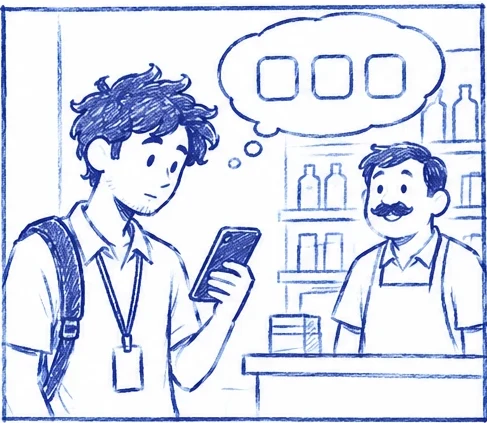
Shriram at the kirana counter, phone in hand, deciding which UPI app to open
1Shriram is a regular at his local kirana. He pays with whichever UPI app he opens first.
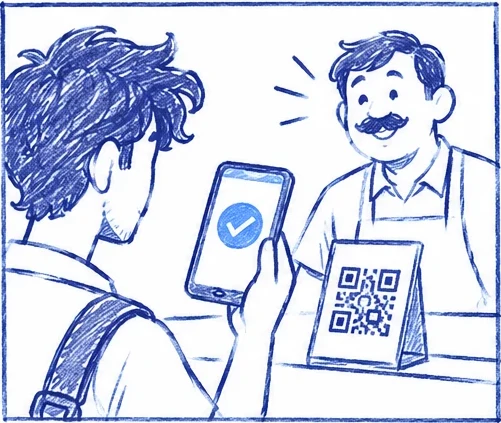
He scans the shop's QR code and the payment goes through
2₹500 for the week's groceries. Quick and easy, like always.
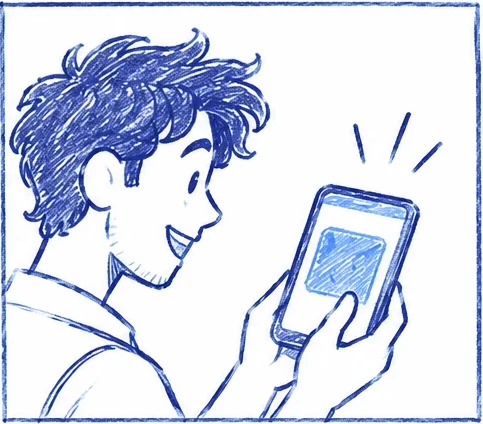
A scratch card appears and he smiles as he starts scratching
3A scratch card pops up after the payment. He's excited and starts scratching.
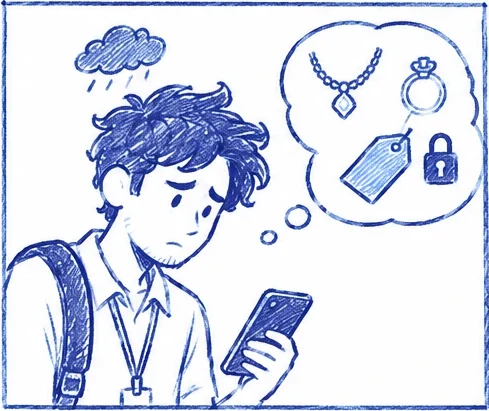
He frowns at an offer for jewellery he doesn't want
4He gets a reward card of no use: 32% off jewellery, irrelevant to him.
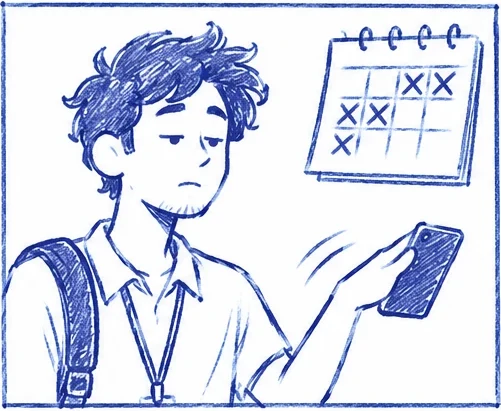
Days later he swipes a card away without opening it
5A few payments later, the cards keep missing. This time he swipes it away without opening it.
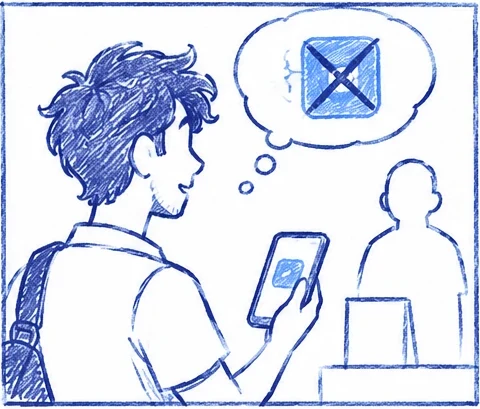
He pays with a different app; the Paytm card is crossed out in his thoughts
6No reason to prefer Paytm, so he picks another UPI app. The reward construct gave him nothing to come back for.

Product strategy and vision

  1. Choose Onboarding

    After an eligible payment, users pick a reward that's ready to claim.

  2. Build Activation

    Once they understand the experience, they can work towards a chosen reward over multiple payments.

  3. Play Power userLater

    Test category choice and variation in progress, not a random reward.
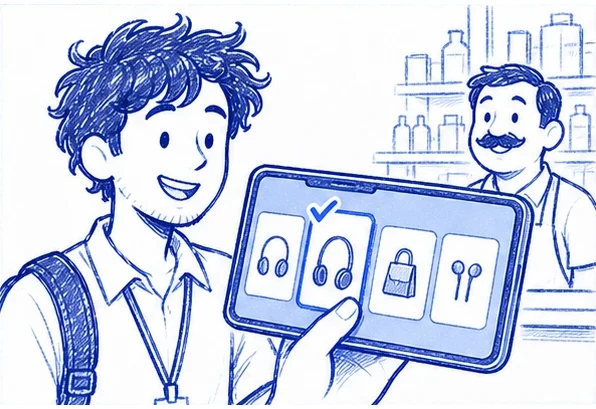
Shriram at the counter choosing headphones from four reward cards on his phone
1 · ChooseAfter paying at the kirana, Shriram picks the reward he actually wants: headphones.
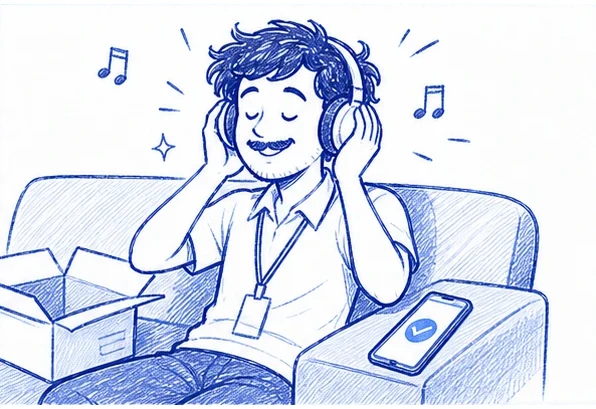
Shriram on a sofa wearing the new headphones, an opened delivery box beside him
2 · ChooseThe headphones arrive. He chose them, so he uses them and enjoys them.
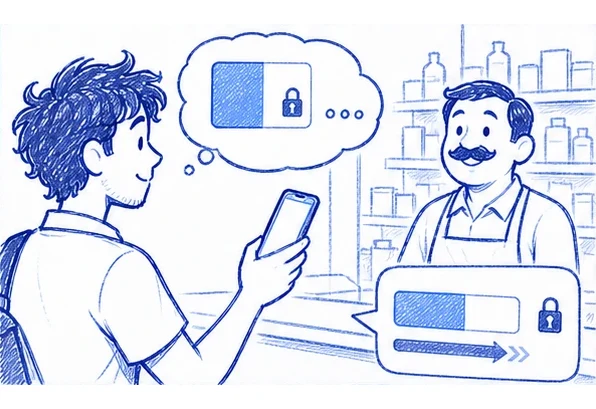
Shriram paying at the kirana, thinking of a half-unlocked reward card
3 · BuildNext time, a reward unlocks over more than one payment. The first payment gets it partway.
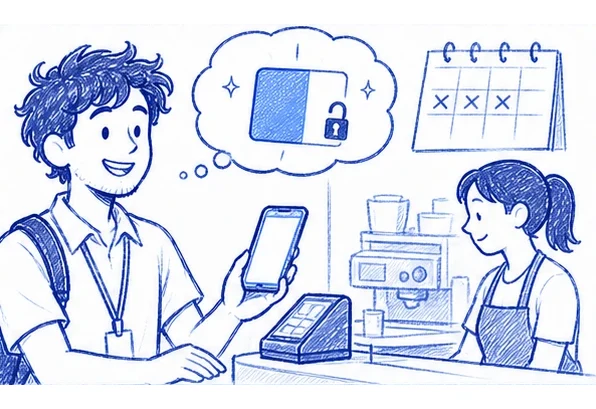
Shriram paying at a café, the reward card unlocking in his thoughts
4 · BuildHe pays at the café with Paytm too. Each payment brings the reward closer, and paying with Paytm becomes a habit.
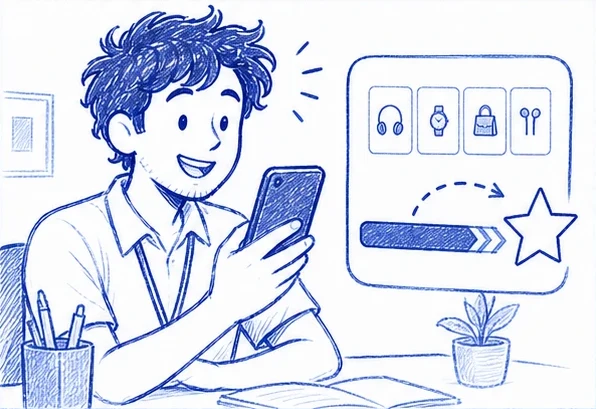
Shriram smiling at his phone; a progress bar moves towards a star
5 · PlayAs a regular, everyday payments keep moving him towards the next reward.
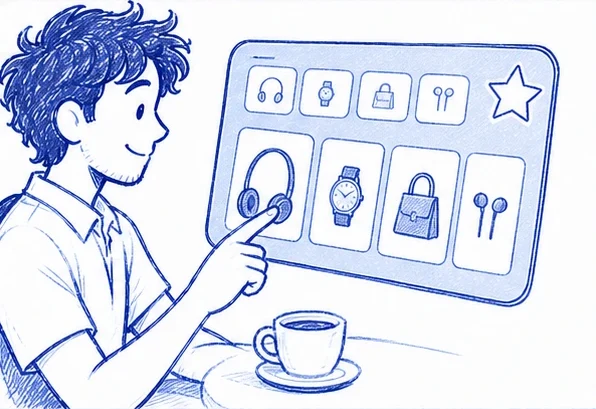
Shriram choosing from a grid of reward categories on a large screen
6 · PlayHe picks categories and rewards freely. Only the progress is set by the app, by payment type and amount.
I'd earn the right to add complexity. First, make the reward clear and let people choose it. If a controlled test shows a clear, repeatable improvement in repeat payments and D7/D14 retention, I'd test visible progress. Only after that would I explore categories.

Onboarding is the early period of use, not one payment. Users get time to understand the simple version first.

Core user flows

First-time user Onboarding

One eligible payment, choose a card, and the reward they chose is unlocked and ready to claim.

Paytm
Sumit Kumar Yadav
UPI ID: q45289534@ybl
₹500
21 Aug, 08:00 PM•Ref. No: 63788203851
Check BalancePay Again
YOU WON A

Reward Card

1Tap a card of your choice2Redeem reward
Congratulations
SELECT
CARD
Congratulations
SELECT
CARD
Congratulations
SELECT
CARD
Choice up frontTell users they get to pick the reward
He's told he can chooseThe receipt says up front that he gets to pick the reward.

Pick your reward

Choose one card. The one you pick is yours.

One clear askChoose a card, nothing else
Terms firstVisible before confirming
Real offers, side by sideEach card shows the product and the exact offer.

Pick your reward

Choose one card. The one you pick is yours.

Offer visibleProduct and offer shown before picking
He picks oneThe button names the brand he's confirming.
YOUR PICK, GUARANTEED
32% off
No surprisesThe exact reward they picked
Unlocked, ready to claimThe reward he chose, after one eligible payment.
What users end up with

The reward they picked, ready to claim

  • ✓
    ChosenThe exact reward they picked, ready to claim
  • ✓
    RelevantSomething they wanted, so it gets used
  • ✓
    ClearValue and terms were visible before they claimed
A reward they wanted is more likely to be redeemed.
OutcomeA reward he chose is one he's more likely to use.

Returning user Activation

Choose a new reward. The first payment starts progress; the next one completes it. The two-payment split is an example.

Paytm
Fresh Basket Kirana
UPI ID: freshbasket@ybl
₹500
21 Aug, 08:00 PM•Ref. No: 63788203851
Check BalancePay Again
YOU'RE HALFWAY TO A

Reward Card

1Pick your reward2Pay once more to unlock
Congratulations
SELECT
CARD
Congratulations
SELECT
CARD
Halfway there
SELECT
CARD
Progress startedHalf a card, and what the rest needs
Payment 1 starts progressHe's told one more payment completes the reward.

Pick your reward

It's half unlocked already. One more payment completes it.

He chooses the next rewardThe same picker, with the payments needed shown up front.
HALF UNLOCKED
50%
Every eligible payment counts · Track it on Home
Locked halfStays grey until the next payment
1 of 2 paymentsProgress is visible straight away; the locked half stays grey.
Shriram Kumar
Shriram Kumar
UPI ID: shriramk@ptaxis
UPI Money Transfer
Scan & Pay
Pay Bills
To Self A/c
My Rewards
REWARD IN PROGRESS
1 of 2 payments done · 1 to go
Recent payments
FB
Fresh Basket Kirana
21 Aug, 08:00 PM Counted
₹500
CP
Chai Point Café
19 Aug, 05:12 PM
₹120
ReminderProgress card on Home
Counted paymentsShows which payments counted
A reminder on HomeProgress sits next to Scan & pay, without pressure.
Paytm
Chai Point Café
UPI ID: chaipoint@ybl
₹249
23 Aug, 09:14 AM•Ref. No: 63790114527
Check BalancePay Again
PAYMENT 2 OF 2

Your card is complete

CompletionThe second half fills in here
Payment 2 completes itAn eligible payment he already meant to make.
FULLY UNLOCKED
32% off
Ready to claimThe reward he chose, fully unlocked.
What users end up with

A goal they set, and finished

  • ✓
    Clear goalTerms and payments needed shown before choosing
  • ✓
    ProgressPayment 1 starts it, payment 2 completes it
  • ✓
    ReminderVisible on Home, so the next payment has a reason
The reward they picked is what they claim, so they come back to finish it.
OutcomeTwo small moments of progress, one reward he chose.

Established user Future

Choose categories, then see each payment move the goal by a different amount. The reward is never random; only the progress varies.

Shriram Kumar
Shriram Kumar
UPI ID: shriramk@ptaxis
UPI Money Transfer
Scan & Pay
Pay Bills
To Self A/c
My Rewards
REWARD IN PROGRESS
boAt · 32% off
40% unlocked · each payment adds a different amount
Active goalProgress carried over from earlier payments
PreferencesOne tap to set what he shops for
His goal on HomeAn active reward, how far along it is, and a way to set preferences.

What do you shop for?

Your next rewards come from these. You still pick the exact one.

Each payment adds a different amount of progress. Bills and recharges add more.

Categories, not brandsHe sets the pool; the exact reward is still his pick
He sets his preferencesHe picks the categories his future rewards come from.
Paytm
Airtel Prepaid
Recharge · 98XXXXXX21
₹299
25 Aug, 07:40 PM•Ref. No: 63791220984
THIS PAYMENT ADDED
+30%
boAt headphonesboAt logo
70%
boAt
Flat 32% off on MOV of ₹5,000
Varies per payment70% unlocked
Variable stepA different amount each time; the reward itself never changes
Progress variesThis payment added 30%. The next might add more or less.

Module breakdown and psychology

  1. Choose

    “Is this for me?”

    A reward he picked feels relevant, so he comes back for it.

  2. Build

    “Am I getting closer?”

    “1 of 2 payments” shows the goal is underway.

  3. Play

    “What's next?”

    Reminder, payment, progress, then a new goal.

  1. Home reminderTrigger
  2. Eligible paymentAction
  3. Visible progressReward
  4. Choose the next rewardInvestment
The reminder should prompt, not pressure. The payment should be one the user already intends to make. That's the loop I'd want to test.

Key decisions and trade-offs

Early on, the chosen reward is available after one eligible payment, so users trust that their choice is real. Later, progress arrives as a new, clearly explained reward journey, not as an earned reward made harder to get.

Three journeys, so the idea arrives in steps

Choose, then Build, then Play. Each stage adds one new idea, so users get comfortable with the construct before the next one appears.

A slower second reward can feel like a downgrade

If the second reward looks the same but takes two payments, users read it as the deal getting worse. The later goal needs a clear benefit or a different offer, with terms and payments shown before choosing.

The progress card has to earn its space on Home

After the first half-payment, the card sits on Home. It takes room from discovering other services, but invites the next payment. Its size should depend on what else Home needs to show.

Outcomes: hypotheses, not results

Relevant choices should lift selection and redemption. Visible progress may lift repeat payments and D7/D14 retention. Tested against the current scratch-card flow.

MetricQuestionWant
Repeat paymentsDo people come back to pay with Paytm?Up
D7 / D14 retentionDoes the test group stay longer?Up
SelectionAfter paying, do people choose a reward?Up
RedemptionDo they use the reward they chose?Up
Payment completionGuardrail: rewards must never slow paying.Hold
Reward costIs the lift worth what the rewards cost?Watch

Reflections and what's next

  1. Learned

    Choice needs good options

    A prototype shows the flow. Only real usage shows if choice and progress change payment habits.

  2. Next

    Track redemption, not selection

    Pick partners by what people redeem. Retire offers nobody uses.

  3. Then

    Test 3× progress for bills

    Move payments people already make into Paytm, without pushing unnecessary ones.

Measuring activation

Retention describes a group, not a person. Activation = finishing the first choose-and-claim flow. A controlled test shows if it lifts D7/D14 retention.

Research and process

01Why Paytm RewardsA reward moment that already exists but isn't working.

Most UPI apps work the same way, so rewards are one of the few ways to stand out. Paytm already shows a scratch card after some payments. I wanted to see if better design alone, without spending more on rewards, could make that card useful again, and build users' loyalty to the app.

02ScopeWho it's for, and the hypothesis research changed.
ProductPaytm · UPI payments · rewards
Target userA salaried professional around 26 in a Tier-1 city. Pays by UPI several times a week, likes rewards, isn't loyal to any one app.
AARRR stageRetention
FlowPayment → reward choice → progress → claim → next payment
Out of scopeMerchant partnerships, reward budgets, incentive economics

Hypothesis, before and after research

Started withA payment streak with escalating scratch cards will lift D7 retention.
Landed onThe problem isn't reward size. It's relevance and control.
03Who I spoke toFive frequent UPI users, in casual conversation.

No scripted interviews. I asked my questions during everyday chats so the answers stayed honest, then shared my hypothesis at the end to see if they agreed.

Participants

A
Abhishek
Software engineer · Bengaluru
PhonePe

Stopped checking after repeated irrelevant coupons. Prefers cashback.

P
Pawan
QS · Bengaluru
Google Pay

Lost interest when rewards became random offers. Would return for useful, instant ones.

S
Shubham
Sales · Bengaluru
Kiwi

Left Paytm rewards over useless cards. Likes knowing the benefit up front.

G
Gourav
Sales · Bengaluru
CRED

Values picking rewards over surprises. Working towards a goal feels better.

A
Anshu
Business analyst · Pune
PhonePe

Random vouchers lowered her trust. A reward goal would make paying more engaging.

04Affinity clustersFour patterns from the raw notes.
Rewards stopped feeling like rewards
  • “I used to open every scratch card because I thought I might get something good.”
  • “I honestly don't remember the last one.”
  • “After getting those repeatedly, I stopped opening them.”
→ Excitement, then disappointment, then indifference.
Guaranteed value beats uncertainty
  • “Cashback. I know I'll definitely use it.”
  • “With Kiwi I know what benefit I'm getting.”
  • “Random coupons don't really help me.”
→ “Will this be useful?” beats “can this surprise me?”
People want to own the outcome
  • “I'd rather choose what I'm working toward.”
  • “If every payment got me closer to something I actually wanted, I'd probably keep checking it.”
→ Payment → progress → the reward they wanted.
Rewards attract, product value retains
  • “I used to switch between Paytm and Google Pay depending on offers.”
  • “Most of my friends are on PhonePe, so splitting bills is easier.”
→ Rewards drive trial. Habit keeps people.
05Insights → opportunitiesWhat each pattern means for the design.
InsightTensionOpportunity
Irrelevant rewards erode trustPeople want every payment to feel rewarding, but irrelevant rewards taught them rewards aren't worth a look.Rebuild confidence that rewards are worth opening.
Predictable value winsSurprise is exciting, but when it keeps missing, certainty is worth more.Make the value clear before they commit.
No control, no motivationPeople will work for rewards, but not when they can't shape the outcome.Let them choose, and show progress towards it.
06Jobs to be doneTrust and control, merged into one job.
Functional

When I pay digitally, I want to build progress towards rewards that are valuable to me, so everyday payments add up to something instead of being left to chance.

Emotional

I want to feel my everyday payments are getting me something I actually value.

Social

I want to use a payment app that consistently gives rewards I use, so it becomes my default.

07Brief

How might we

How might we keep frequent UPI users engaged with rewards by making every payment count towards rewards they value, without relying on random scratch-card outcomes?

How can we

Give users controlKeep the fun of scratchingEvery reward worth somethingNo irrelevant outcomesDon't change how people pay

Metric pairing

The jobMetricWant
Valuable rewardsRedemption rate↑ Up
Visible progressReward engagement rate↑ Up
Rewards that build habitRepeat payment rate↑ Up
08Concepts exploredThree directions, and where each ended up.
Flow 01
Choose your reward card

Pick the exact reward after paying. The smallest change that fixes relevance.

Flow 02
Progressive reward journey

Payments build towards a chosen reward. Too much on day one, right for habit users.

Later
Choose a category

Pick a category and keep the surprise within it. Exact reward still unknown.

09Open questionsWhat isn't validated yet.
KnownFive conversations and a working end-to-end prototype.
Not validatedWhen users move to the habit stage, progress per payment, reward economics, retention impact.